

How On-Page SEO Helps Plastic Surgery Websites Rank
Sep 24, 2026


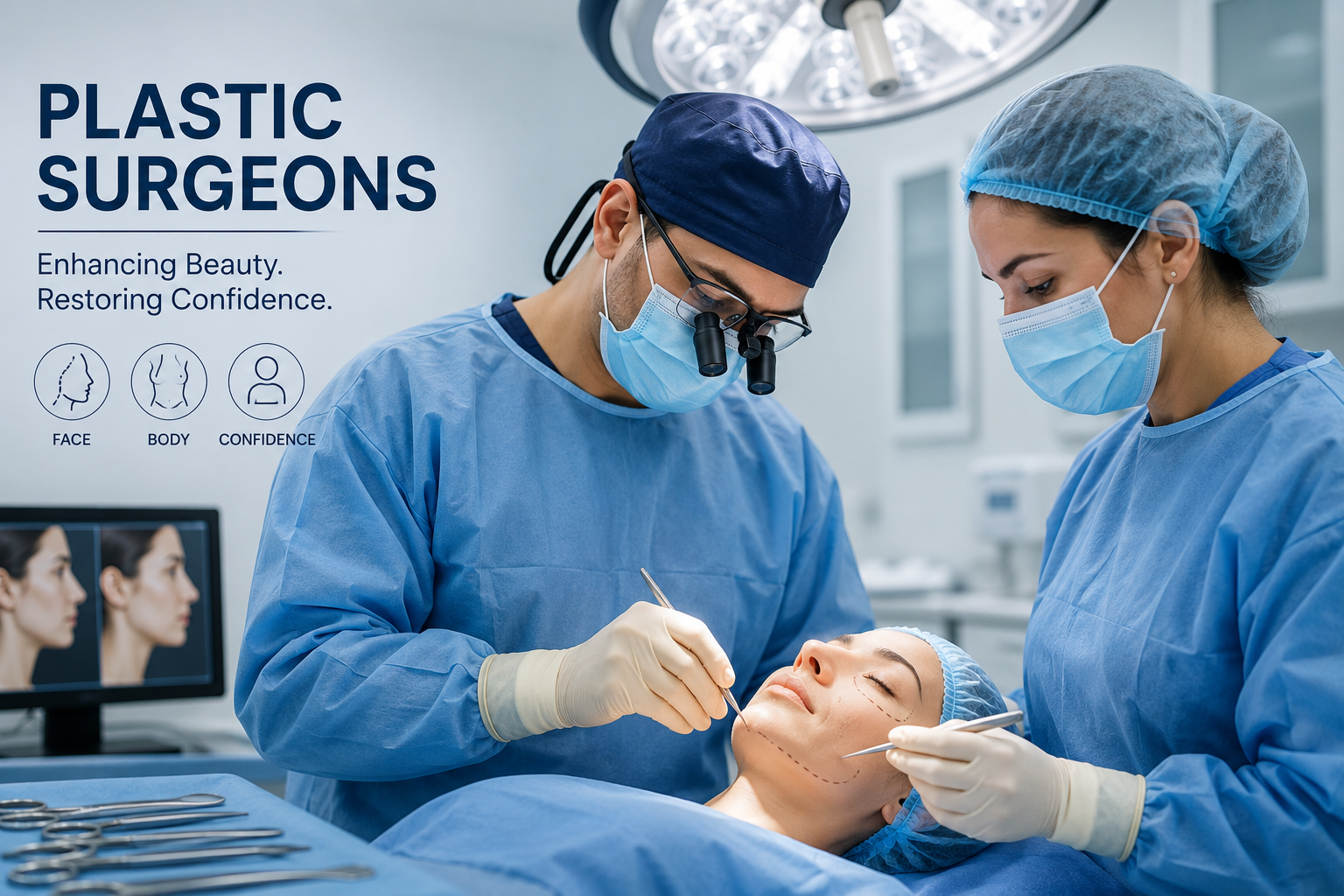
As someone who has worked closely with digital marketing strategies for aesthetic practices, I have learned that creating the right content is one of the most effective ways to improve online visibility. In today’s AI-driven search environment, simply publishing blogs filled with keywords is no longer enough. Search engines and AI-powered platforms reward content that genuinely answers patient questions, demonstrates expertise, and builds trust.
When I develop content strategies, I focus on providing value first. This approach not only improves search rankings but also encourages prospective patients to spend more time on the website and confidently schedule consultations. That is why Plastic Surgery SEOS strategies should always prioritize informative, patient-focused content over promotional messaging.
Modern search engines evaluate content based on expertise, experience, authority, and trustworthiness (E-E-A-T). AI search platforms also prioritize well-structured, factual, and conversational content that directly answers user intent.
Instead of creating content solely for rankings, I concentrate on helping potential patients understand procedures, recovery expectations, safety considerations, and realistic outcomes. When visitors find useful information, they are more likely to trust the practice and return for additional resources.
One of the highest-performing content types is comprehensive procedure pages. Every treatment deserves its own dedicated page that explains:
These pages should be easy to read while maintaining medical accuracy. They also perform well in AI search because they provide complete answers rather than brief descriptions.
Regular blogging continues to be valuable when each article addresses real patient concerns.
Some effective topics include:
Instead of writing generic articles, I focus on answering specific questions patients actually ask during consultations. This improves both engagement and search visibility.
Before-and-after galleries are powerful, but they perform even better when supported by educational explanations. Rather than displaying images alone, I include details about:
This additional context helps search engines understand the page while giving prospective patients realistic expectations.
Many users search using complete questions instead of keywords. AI assistants also rely heavily on question-and-answer content.
Examples include:
Creating detailed FAQ sections increases the chances of appearing in featured snippets, voice search, and AI-generated search responses.
Local SEO remains essential for plastic surgeons. I create content that references the communities a practice serves while discussing local patient concerns, consultation availability, and regional trends.
This helps improve geographic relevance and supports GEO optimization by making content more useful for nearby patients.
Patients often prefer watching a short educational video before reading lengthy articles.
Some effective content formats include:
Embedding videos alongside written content increases engagement and provides multiple ways for patients to consume information.
Today’s content should be designed for more than traditional search engines.
I optimize every article by:
These strategies help content perform well across Google Search, AI search engines, voice assistants, and answer engines.
If you’re looking for expert strategies that improve visibility and attract qualified patients, explore these comprehensive Plastic Surgery SEO marketing solutions for aesthetic practices to strengthen your online presence.
When these content strategies are implemented consistently, Plastic Surgery SEOS becomes a long-term investment that supports sustainable organic growth rather than short-term ranking improvements.
What type of content ranks best for plastic surgery websites?
Educational procedure pages, detailed blog articles, FAQs, patient resources, and informative videos typically generate the strongest SEO performance because they answer patient questions comprehensively.
How often should plastic surgery blogs be published?
Publishing two to four high-quality articles each month helps keep your website fresh while demonstrating ongoing expertise to search engines and AI platforms.
Why are FAQs important for SEO?
FAQs align with conversational search behavior, making it easier for search engines and AI assistants to understand and surface your content for question-based searches.
Does visual content improve SEO?
Yes. Images, videos, infographics, and before-and-after galleries improve user engagement, increase time on page, and enhance the overall user experience.
Should every plastic surgery procedure have its own page?
Absolutely. Dedicated pages provide focused information for patients while allowing search engines to better understand and rank each procedure individually.
Creating content that educates, informs, and builds patient confidence is the foundation of long-term digital success. If you’re ready to implement proven Plastic Surgery SEOS strategies that improve rankings, increase qualified traffic, and generate more consultation requests, contact our Plastic Surgery SEO specialists today to discuss a customized strategy for your practice.