

How AI, AEO, and GEO Work Together for Plastic Surgeons
Sep 14, 2026


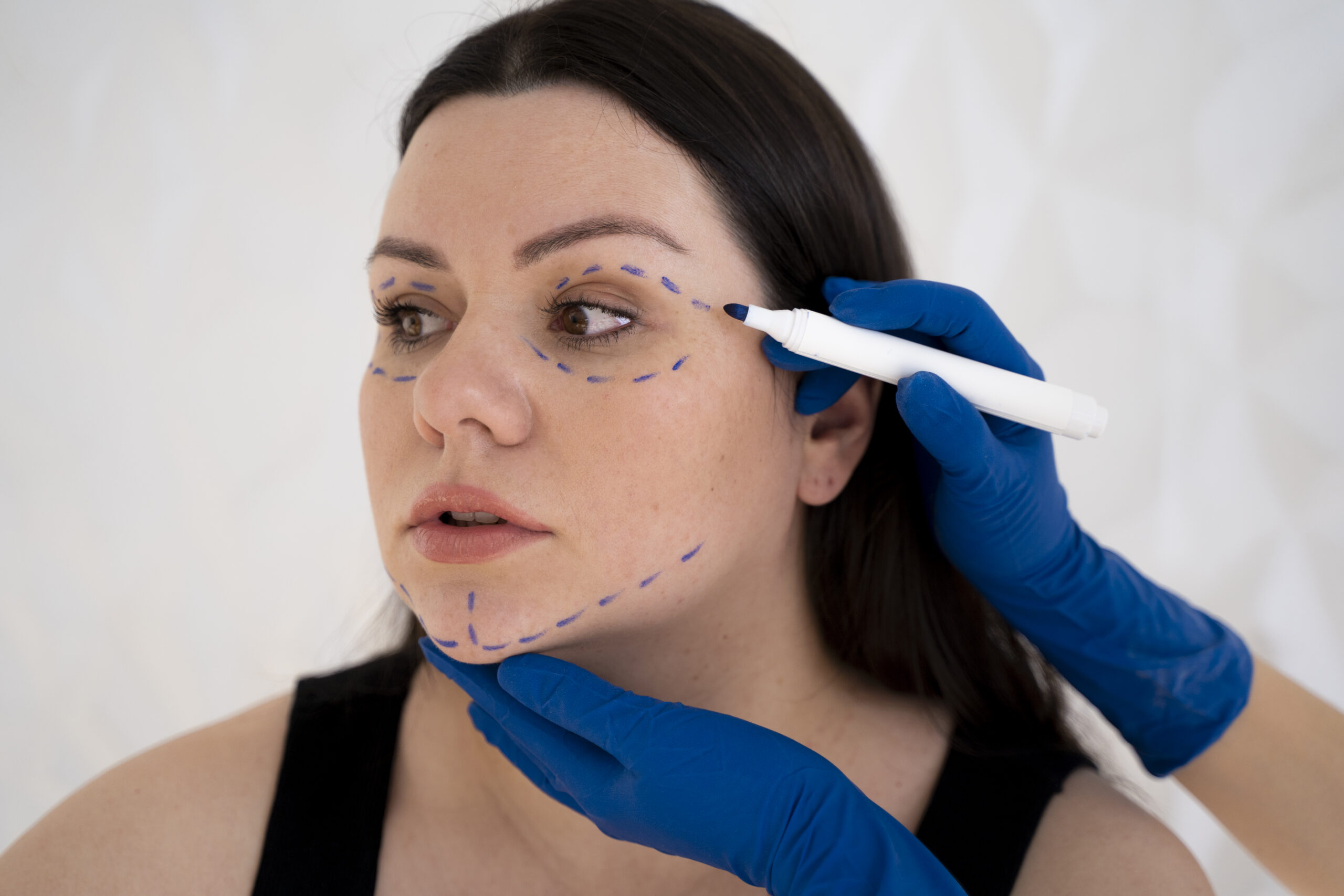
When I work on a plastic surgery website, I see on-page SEO as one of the foundations of sustainable search visibility. A visually impressive website may attract attention, but if its pages are unclear, poorly structured, or disconnected from what patients search for, search engines can have difficulty understanding its value.
On-page SEO helps me make every important page more relevant, understandable, and useful. It includes elements such as page titles, headings, content, URLs, internal links, images, metadata, and structured data. Google also emphasizes creating helpful, accessible content and using structured data to help search engines understand page information.
One of the first things I consider is what a potential patient actually wants to know. Someone searching for “rhinoplasty surgeon” has a different intent from someone searching for “rhinoplasty recovery time.”
I structure pages around these different needs instead of forcing one page to target every possible keyword. A dedicated procedure page can explain the treatment, benefits, considerations, recovery information, and frequently asked questions, while supporting blog content can address more specific informational searches.
This approach helps create a clearer relationship between the patient’s question and the information provided on the page.
Page titles and headings give both users and search engines important context. I create descriptive titles that clearly communicate the subject of each page rather than relying on vague or repetitive wording.
I also organize content with logical H1, H2, and H3 headings. This makes long medical and cosmetic surgery topics easier to scan and helps readers quickly find the information they need.
For example, a breast augmentation page might use sections covering procedure details, candidacy considerations, recovery, risks, and frequently asked questions. Clear organization can make the content easier to understand without sacrificing depth.
For plastic surgery websites, content quality matters because patients often research extensively before contacting a practice. I focus on answering genuine questions with clear, useful information instead of repeating keywords unnecessarily.
This is where I use Plastic Surgery SEOS to support a broader content strategy. Rather than writing for search engines alone, I create pages that demonstrate topical relevance and address the questions patients are likely to ask.
Google’s current guidance also highlights the importance of useful, people-first content, while its documentation for generative AI features notes that established SEO practices remain relevant to visibility in AI-powered search experiences.
Internal links help connect related pages across a website. I use descriptive anchor text so visitors and search engines can understand what they will find after clicking a link.
For example, instead of using generic anchor text such as “click here,” I might link to a relevant page using descriptive wording such as “plastic surgery SEO services for medical practices.”
A well-planned internal linking structure can also help users discover related procedures, educational articles, and service pages. Breadcrumbs can further communicate a page’s position within a site’s hierarchy.
For businesses looking to strengthen their organic visibility, I also recommend exploring plastic surgery SEO strategies for improving website visibility.
Search is becoming more conversational, so I don’t limit on-page optimization to traditional keyword placement. I structure important information so that it is easy to interpret and extract.
Answer Engine Optimization (AEO) focuses on providing direct answers to common questions. Generative Engine Optimization (GEO) focuses on making useful, trustworthy information easier for generative search systems to understand and potentially reference.
I use concise answers, descriptive headings, question-based sections, relevant entities, supporting context, and well-organized information. Structured data can also help Google understand specific page details, although Google does not guarantee that structured data will produce a particular search appearance.
On-page SEO is not only about text. I also consider mobile usability, page speed, readability, image optimization, navigation, and overall page experience.
Google states that its ranking systems consider a range of page-experience signals, including Core Web Vitals, mobile presentation, security, and whether the main content is easy to distinguish.
For a plastic surgery website, this is especially important because prospective patients need to find essential information without unnecessary friction.
I view on-page SEO as an ongoing process rather than a one-time task. Search behavior changes, procedures evolve, content becomes outdated, and competitors publish new information. Regularly reviewing titles, headings, internal links, content quality, and technical elements helps keep important pages useful.
With Plastic Surgery SEOS, I can bring these elements together into a structured approach that supports traditional search while also preparing content for AI-driven discovery.
Ultimately, on-page SEO gives every page a clear purpose. When the content matches search intent, the structure is logical, the information is useful, and the website is easy to navigate, search engines have stronger context for understanding the page.
What is on-page SEO for a plastic surgery website?
On-page SEO involves optimizing the visible and underlying elements of individual web pages, including content, headings, titles, URLs, images, internal links, and relevant structured data.
Can on-page SEO improve plastic surgery website visibility?
It can help search engines better understand a website’s content and relevance. However, rankings depend on many factors, and no SEO technique can guarantee a particular position in search results.
Should plastic surgeons create separate pages for different procedures?
In many cases, dedicated pages can provide clearer, more comprehensive information for distinct procedures and search intents. The exact structure should depend on the practice, services, and audience.
How does on-page SEO support AEO and GEO?
Clear answers, descriptive headings, well-organized information, relevant context, and structured content can make pages easier for search systems to interpret. These practices complement broader SEO efforts.
If you want to build a more search-friendly website that connects your plastic surgery services with the questions prospective patients are asking, a structured on-page SEO strategy can provide a strong foundation. I recommend reviewing your most important service and procedure pages first, then improving their content, structure, internal linking, and search intent alignment.
If you would like professional support with your website’s search visibility, contact our team about tailored plastic surgery SEO solutions.